The Belsteads School, Back Lane, Little Waltham, Essex, CM3 3PP
We focus on developing Independent Living Skills that are relevant to each pupil’s individual needs and future aspirations. This includes travel training, exploring the local community, leisure activities and practical life and living skills, with opportunities to gain OCR Life and Living Skills qualifications.
In line with the Children and Families Act and the SEN Code of Practice (2014), we support all our young people, from the moment they join us, to make informed and confident decisions about their future.
Our Approach Aims to:

As students move into the Upper School at The Belsteads, they become part of our bespoke Transition Programme which accommodates all pupils in Years 10 and 11.
At the heart of our Transition Programme is preparing every young person for their next steps. We believe it is never too early to start planning for the future, helping students build the confidence, skills and independence they need for life beyond The Belsteads School.
Each year, every student’s EHCP is reviewed through an Annual Review meeting, coordinated by Jackie Conduct, our school SENCO.
During this review, we:
At the heart of our Transition Programme is preparing every young person for life beyond The Belsteads School. From the time they join us, we help students build the confidence, independence and practical skills they need to make informed decisions about their future.


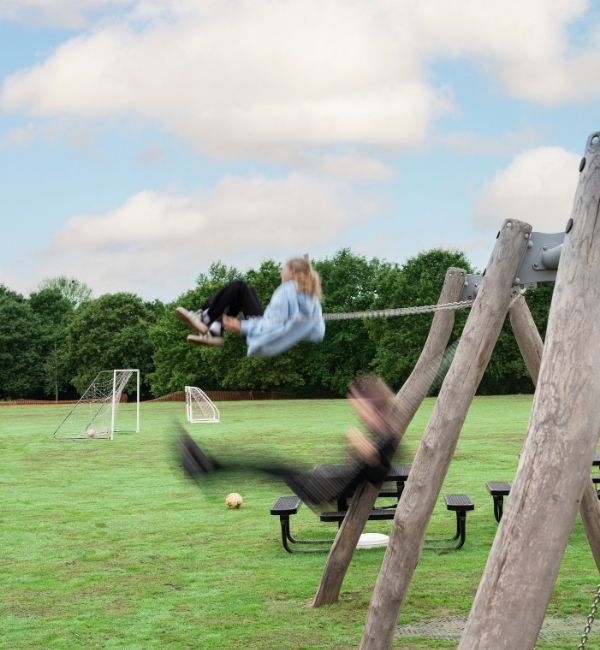
Students at Belsteads Career Paths have achieved positive outcomes through a combination of strong support, personalised guidance, and a clear focus on future success. The programme has helped learners build confidence, develop practical skills, and make informed choices about their next steps, whether that be further education, training, or employment. These positive results reflect the commitment of staff to helping every student reach their potential and prepare well for life beyond school.
You can read our full Careers Policy here
Working 16 hours or more weekly with a contact in place. Between the ages of 16 and 18, young people MUST continue with some form of learning, including Maths and English, unless that have GCSEs in these subjects with a grade of 4 or above.
Paid employment utilising personalised support eg a Job Coach enabling a disabled person to sustain paid work (Access to Work Funding https://www.gov.uk/access-to-work)
University Education – full/part time, open learning – from age 18
College education – full/part time from age 16 upwards – ranging from Functional Skills to Degree Level and beyond.
T Levels are new vocational qualifications which were introduced in September 2020. They will follow GCSEs and will be the equivalent to three A Levels. These two year courses have been developed in collaboration with employers to ensure alignment with the needs of industry and aims to prepare students for work.
T Levels will offer students a mixture of classroom learning and “on-the-job” experience during an industry placement of at least 315 hours ( approximately 45 days). They will provide the knowledge and experience needed to open the door into skilled employment, further study or a higher apprenticeship.
Specialist further education and training colleges for students with learning difficulties and/or disabilities, sometimes residential.
A combination of work and study by mixing on-the-job training with classroom learning and being employed to do a real job while studying for a formal qualification, usually for one day a week either at a college or a training centre.
A combination of work, study and support by mixing on-the-job training with classroom learning and employed to do a real job while studying for an Entry Level 3 Functional Skills for young people with an EHC Plan, or other formal need assessment offered on a case by case basis.
Supported Internships are a structured study programme based primarily at an employer. They enable young people aged 16-24 with an EHC Plan to achieve sustainable paid employment by equipping them with the skills they need for work, through learning in a workplace. Supported Internships are unpaid, and last for a minimum of six months but can be longer.
Wherever possible, they support the young person to move into paid employment at the end of the programme either with the employer offering the internship or another employer. Alongside their time at the employer, young people complete a personalised study programme which includes the chance to study for relevant qualifications, and English and Maths if appropriate.
For more information either contact the colleges listed above or:
https://www.ucas.com/further-education/apprenticeships-and-traineeships/supported-internships
https://www.preparingforadulthood.org.uk/downloads/supported-internships
A traineeship is an education and training programme with work experience that unlocks the great potential of young people aged 16-24 (or 25 with an EHCP) and prepares them for their future careers by helping them to be “work ready”. Traineeships can last up to a maximum of six months and will include work preparation training provided by the training organisation, English and Maths support if required, provided by the training organisation and a high quality work experience placement with an employer.
Creating their own business, which could be a social enterprise focused on improving other lives in some way and which they run themselves.
https://www.princes-trust.org.uk/help-for-young-people/who-else/business-advice
https://thepitch.uk/government-support-for-small-businesses/
Being supported to create and sustain their own business, which can be a social enterprise focused on improving other lives in some way.
http://www.grantsexpert.co.uk/grants-for-disabled-entrepreneurs.html
The young person works on a self-employed basis either for themselves or for another employer and will be responsible for generating their own work, paying their own tax and looking after themselves.
https://www.gov.uk/working-for-yourself
The young person is supported to effect their own employment on a self-employed basis either for themselves or for another employer and will be responsible for generating their own work, paying their own tax and looking after themselves.
https://www.gov.uk/government/publications/self-employment-for-people-with-disabilities-and-health-conditions
https://www.scope.org.uk/advice-and-support/trying-self-employment/
Supported Volunteering aims to provide the support necessary to encourage confidence building and engagement in volunteering activity by people experiencing mental health problems, people with learning disabilities and other complex needs and can lead to other career outcomes.
Longer period of work experience providing essential work skills, improving employability and providing a real understanding of the workplace. Some Colleges offer bursaries for travel, subsistence etc and can work alongside a vocational course, for example.
For more details, contact the colleges listed above.
An example could be a specialist residential college who offer a wide range of therapeutic services/opportunities for young people age 19-25 with complex needs.
See Specialist College section.
Local examples include, but are not limited to:
http://www.willowparkresourcecentre.co.uk/
https://www.ecl.org/
https://www.sailship.org.uk/
https://lapwingeducation.co.uk/
https://www.greenlighttrust.org/
This might be part time, respite/short breaks or as support to move into independent living and will be organised in conjunction with the relevant agencies and families.
Our team is available to answer any questions about careers, EHCPs and preparing for life beyond The Belsteads School.
Careers Information – Richard Clarke, Careers Lead
richard.clarke@belsteads.essex.sch.uk
EHCP Process – Jackie Conduct, SENCO
jackie.conduct@belsteads.essex.sch.uk
Moving into Adulthood – Erica Barnett, Headteacher
erica.barnett@belsteads.essex.sch.uk